Sep 23, 2026.
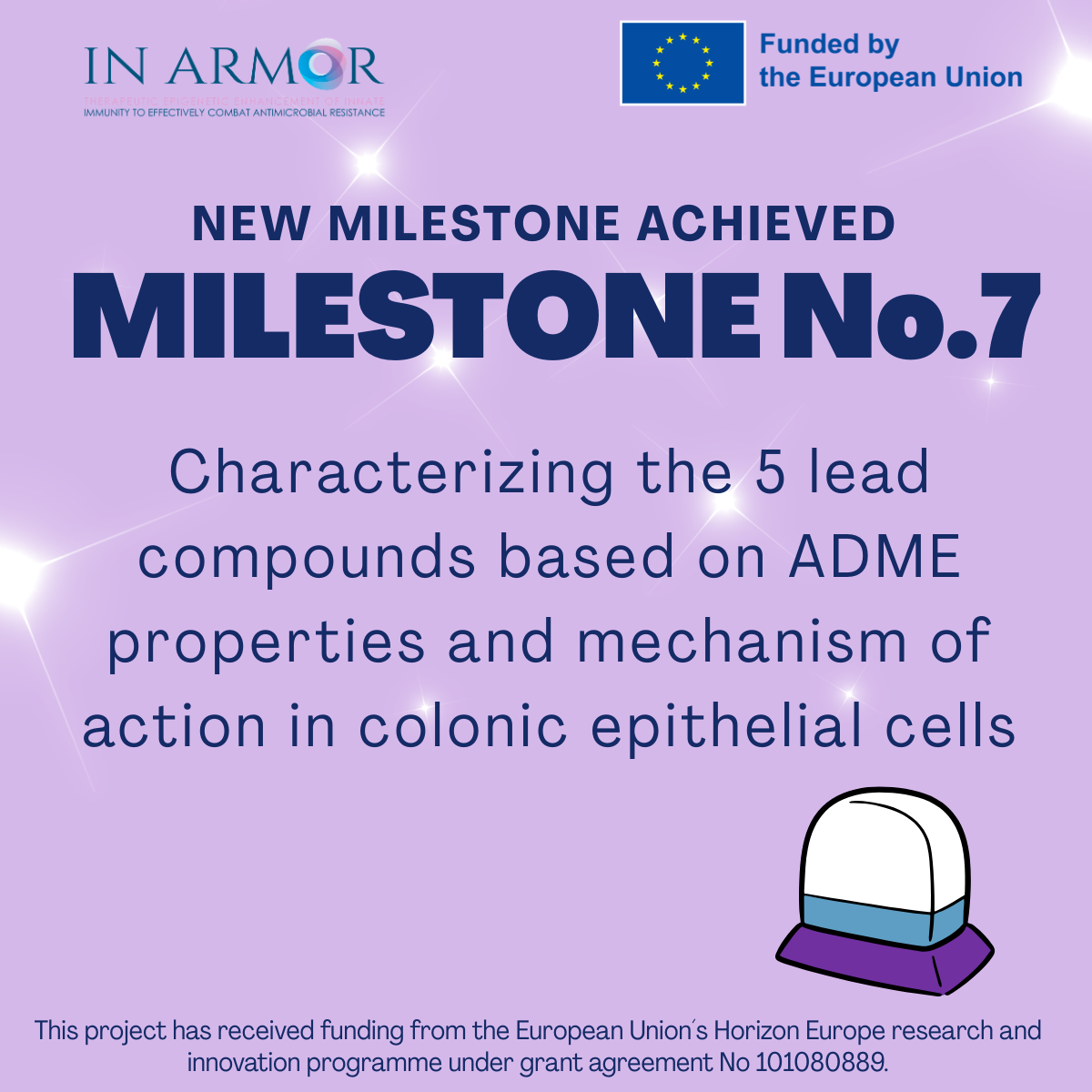
The IN-ARMOR consortium has reached an important milestone in the development of new host-directed therapies (HDTs) to tackle antimicrobial resistance (AMR).
As part of Work Package 2 (WP2), the project team has completed the advanced characterisation of its selected lead compounds. This work, led by LEITAT in collaboration with WP2 partners, especially UI, builds on the screening and evaluation activities carried out during the earlier stages of the project.
The researchers have investigated key properties of the selected compounds, including their ADME properties (plasma and biological fluids stability and Caco-2 permeability)and their potential mechanisms of action.
The results obtained provide important evidence to support the continued development of these compounds as potential host-directed therapies. Rather than directly targeting bacteria, the IN-ARMOR approach seeks to strengthen the body’s own defence mechanisms, with the long-term goal of developing new strategies that can help address infections while reducing the risk of contributing to antimicrobial resistance.
A key step towards preclinical validation
The completion of this milestone represents an important step in the transition from compound discovery and screening towards more advanced preclinical development.
The characterisation work carried out in WP2 provides the scientific basis for selecting and further developing the most promising candidates, while also supporting their subsequent evaluation in combination with the project’s nanodelivery and in vivo activities.
This achievement highlights the close collaboration between the different IN-ARMOR work packages and brings the project one step closer to its goal of developing innovative therapeutic approaches against antimicrobial-resistant infections.